
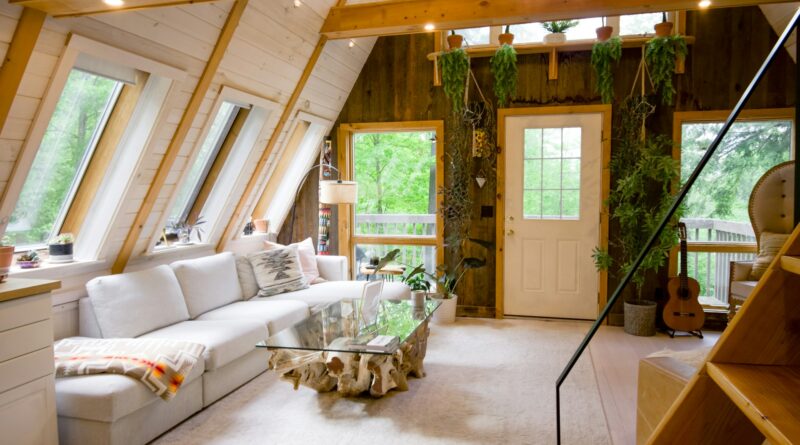
How to Choose the Right Property for Airbnb Investment
Investing in Airbnb properties can be a lucrative way to generate passive income, but success starts with selecting the right property. Many new investors focus solely on price or aesthetics, neglecting factors that affect occupancy rates, guest satisfaction, and long-term profitability. Choosing the wrong location or property type can result in low bookings, high maintenance costs, or regulatory challenges. Understanding what makes a property attractive to short-term renters is critical, from accessibility to local amenities to market demand. Strategic selection involves balancing upfront costs, potential revenue, and operational feasibility. By considering key investment criteria carefully, you can position yourself for a more profitable Airbnb venture and sustainable growth over time.
Location Analysis
Location is arguably the most critical factor when choosing an Airbnb property. Properties near tourist attractions, business districts, or transport hubs typically see higher demand and consistent bookings. Accessibility by car or public transit is important, as guests often prioritize convenience. Proximity to restaurants, shopping areas, and entertainment also enhances appeal, while neighborhoods with low crime rates and attractive surroundings increase guest satisfaction. Before purchasing, research the area’s Airbnb performance metrics, such as average occupancy rates and nightly pricing, to gauge potential revenue. Understanding the local market allows you to invest in a property that is positioned to attract steady bookings rather than relying solely on aesthetics or low purchase price.
Property Type and Layout
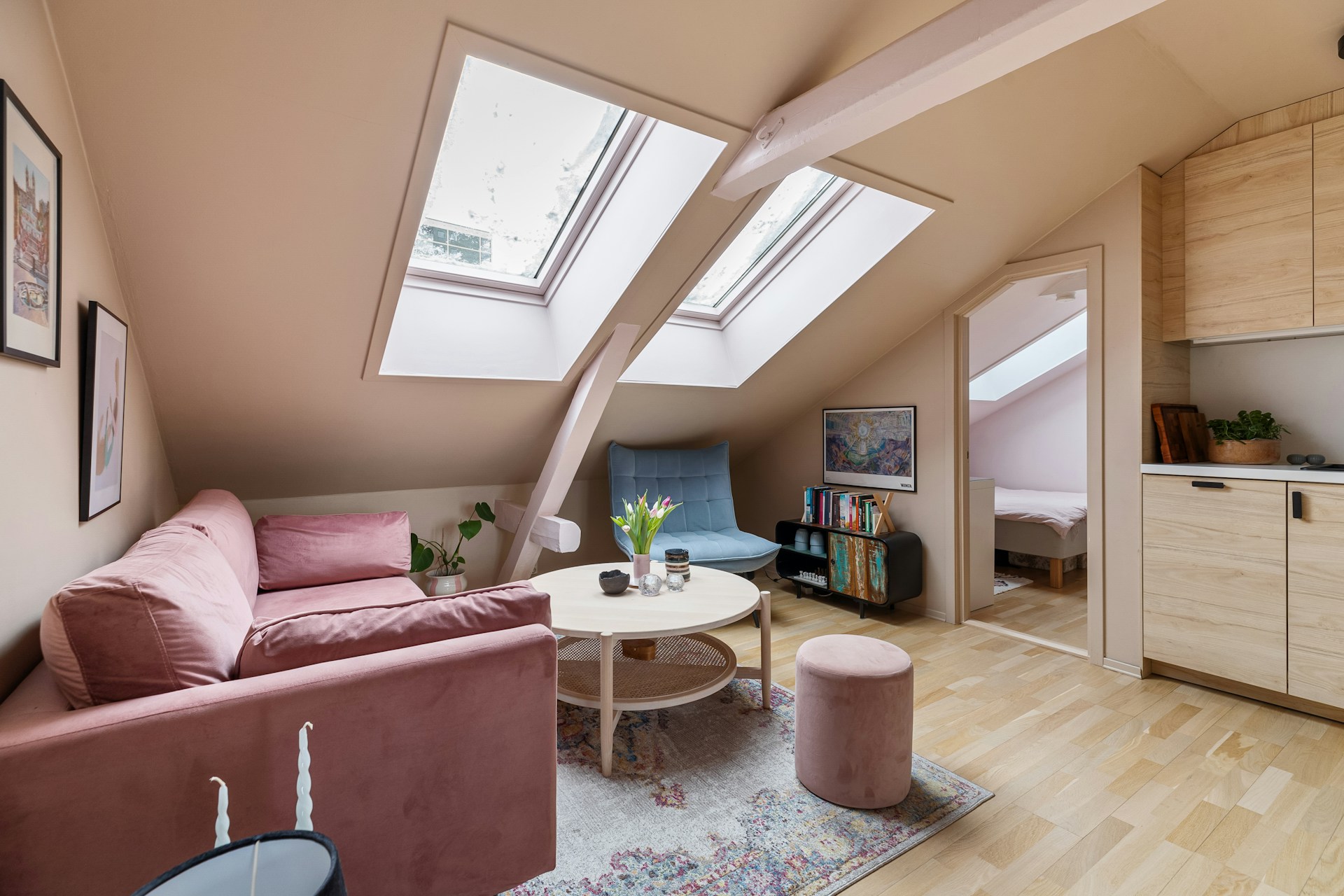
The type and layout of a property influence how many guests it can accommodate and the overall rental experience. Single-family homes, condos, and apartments appeal to different guest segments, from families seeking privacy to business travelers preferring compact units. Consider bedroom count, bathroom availability, kitchen facilities, and common living areas, as these affect both comfort and pricing. Open floor plans often create a sense of space, while additional amenities like private patios or balconies can justify higher nightly rates. The property should be flexible enough to appeal to a wide range of guests, and the layout should allow for smooth cleaning, maintenance, and guest turnover, maximizing operational efficiency.
Financial Feasibility
Calculating potential return on investment is essential to determine if a property is suitable for Airbnb. Assess upfront costs, including purchase price, closing fees, furnishing, and necessary renovations. Then, project expected rental income based on local occupancy trends and average nightly rates. Factor in ongoing expenses such as utilities, insurance, property management fees, cleaning, and maintenance. Comparing projected net income with mortgage or financing obligations helps evaluate whether the property will generate positive cash flow. Conservative estimates are preferable to avoid overestimating earnings. A financially viable property is one where income consistently exceeds expenses, creating a sustainable investment that can withstand seasonal fluctuations.
Regulatory and Legal Considerations
Airbnb regulations vary widely between cities and even neighborhoods. Some areas require permits, limit short-term rental days, or impose specific safety standards. Violating these rules can result in fines, suspension of listings, or legal action. Research local zoning laws, licensing requirements, and tax obligations before making a purchase. Additionally, check condominium or homeowners association rules, as some restrict short-term rentals entirely. Understanding regulatory limitations in advance helps avoid future complications and ensures that the property is legally compliant. Investing in a property that meets all legal criteria allows you to operate confidently and focus on maximizing occupancy and revenue without unexpected interruptions.
Market Demand and Competition

Evaluating market demand and competition is vital to selecting a profitable Airbnb property. Study existing Airbnb listings in the area to understand pricing, occupancy rates, and guest reviews. Look for gaps in the market that your property could fill, such as family-friendly units, pet-friendly accommodations, or premium amenities. Avoid oversaturated areas where high competition may lower occupancy and force price reductions. Analyzing trends over time, including peak seasons and slow periods, helps forecast consistent revenue potential. Properties that match market demand and differentiate themselves from competitors tend to attract bookings more reliably and build long-term guest loyalty, enhancing profitability.
Choosing …
Read More



 One way to make your employees feel valued and respected is by giving them feedback. Whether positive or negative, feedback shows that you’re paying attention to their work and that you care about their development. Of course, you always want to start with the positives before moving on to constructive criticism. And be sure to avoid any negativity or personal attacks. Nobody likes to be micromanaged, so avoid coming across as a know-it-all boss.
 Last but not least, you can make your employees feel valued and respected by giving them the opportunity to grow professionally. It could mean anything from providing training and development opportunities to offering promotions and raises. By giving your employees the chance to grow, you’re showing them that you believe in their abilities and are invested in their future. Whatever you do, make sure your employees know that you’re invested in their professional growth.